I posted this on my Facebook (*eye roll*) but I'm posting it here for posterity's sake.
In face to face conversations, people will use these tactics but somehow usually manage to have a little more tact about it. On the internet, however, forget about it. Anonymity and the opportunity to experience other people as textual blurbs on a personal computer screen give one near absolute permission to behave like a tremendous dickwad.
This lovely satirical piece (which is also dead serious) outlines how you, too, can marginalize and insult practically anyone!
Derailing for Dummies
Sunday, April 5, 2009

Saturday, April 4, 2009
No 'Poo
I have been hearing about this "No 'Poo" regimen for a while now. I've decided to try it out because I like the idea of not spending so much money on hair care products, not creating so much waste (think of all the shampoo bottles alone you've used up in your life, not to mention conditioner, hairspray, and other products), and letting my hair do what it wants to do naturally (a lesson I learned begrudgingly after many years of fighting with it). I'm going to try the baking soda washes and apple cider vinegar rinses at first instead of just quitting cold turkey. I don't think I could handle the oil overload that would arise from just rinsing with water at first. If, later on, I feel that it's working out for me, I'll try to use baking soda and vinegar less until perhaps I won't use them at all. That is, IF I get very far. There's a possibility I'll cave and go running back to my Herbal Essences shampoo for long hair like I'm on fire and it's the only pond in town. There's also the possibility that this will ruin the ends of my hair, drying and snapping my strands like a Slim-Jim. Since I sort of expect this to happen, I feel this is a good time to attempt this experiment since I've been thinking of cutting my hair a little bit anyway. I haven't even had a trim since last July and my hair is down to my shoulder blades. I can afford at this point to lose an inch or two. I haven't quite decided what to do about my patron saint, St. Fructis of Leave-In Conditioner. It's the only styling product I use. I guess I'll just have to figure it out as I go.
Anyway, I'll be updating about my progress, probably with little regularity. If anyone wants to join me in this, that would be cool too!
BTW, I probably will not be calling it the "No 'Poo" trial because I think that is a ridiculously stupid name. I'll probably call it "not washing my hair" or "not using product."
No Product, Day 1:

Anyway, I'll be updating about my progress, probably with little regularity. If anyone wants to join me in this, that would be cool too!
BTW, I probably will not be calling it the "No 'Poo" trial because I think that is a ridiculously stupid name. I'll probably call it "not washing my hair" or "not using product."
No Product, Day 1:
Tuesday, March 31, 2009
Your Plot Points Suck Too
Dear everybody in my Fiction Writing class,
IS IT REALLY SO EFFING HARD TO WRITE IN COMPLETE SENTENCES?
Love, Karlen
IS IT REALLY SO EFFING HARD TO WRITE IN COMPLETE SENTENCES?
Love, Karlen
Thursday, March 26, 2009
Porch Garden Season 2 Episode 2
I took some more pictures of my porch garden the day before yesterday. I had finally remembered to charge the battery for my D200 so they're much fancier than the last set.
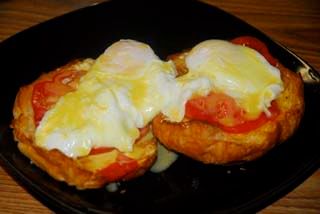
Oh, but first! That morning, Kyle and I made veggie Benedict. Toasted croissant, sliced tomato, poached egg (huge hassle!) and homemade Hollandaise (I'm a fantastic saucier, by the way):
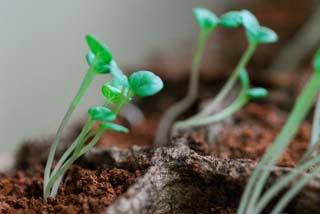
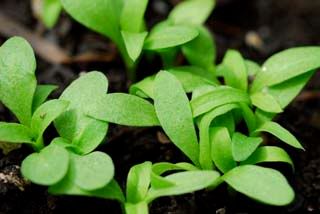
Convolvulus sprouts:
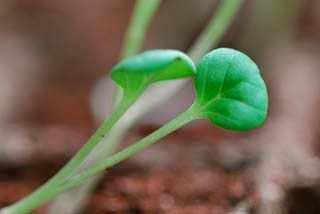
Oregano and Tarragon:
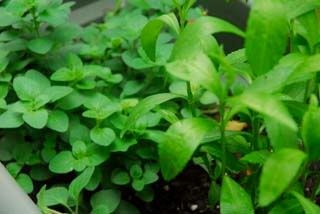
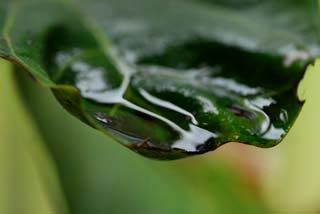
Morning Glory:
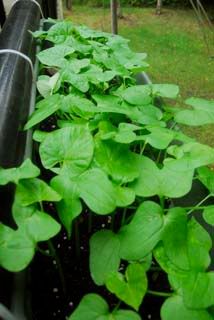
Phlox sprouts:
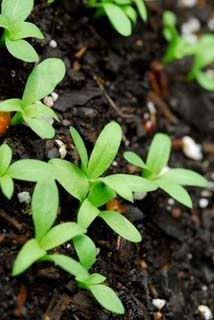
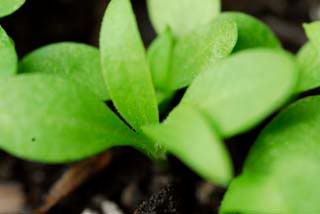
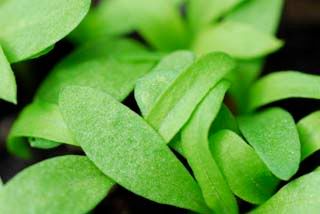

Fiddle Leaf Fig:
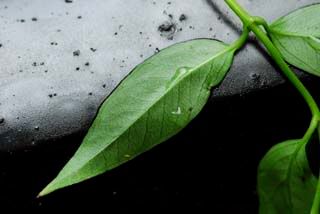
Jessamine:
Everything is doing really well. Sometime this week I need to get more soil and put the Convolvulus and tomato sprouts in a pot. The Morning Glory is going crazy! I can't wait until it blooms.
Oh, but first! That morning, Kyle and I made veggie Benedict. Toasted croissant, sliced tomato, poached egg (huge hassle!) and homemade Hollandaise (I'm a fantastic saucier, by the way):
Convolvulus sprouts:
Oregano and Tarragon:
Morning Glory:
Phlox sprouts:
Fiddle Leaf Fig:
Jessamine:
Everything is doing really well. Sometime this week I need to get more soil and put the Convolvulus and tomato sprouts in a pot. The Morning Glory is going crazy! I can't wait until it blooms.
Wednesday, March 25, 2009
You're the Reason I Don't Want to be There
Man on campus: I've got great news for you about Jesus Christ! [shoves a neon pink piece of paper in my face]
Me: [politely] Oh, no thank you.
Man on campus: Oh, COME ON!!! Don't you want to go to Heaven when you die?
Me: [less politely] Absolutely not.
Man on campus to girl behind me: I've got great news for you about Jesus Christ! You ought to be careful! There's sinners on this campus that tell me they don't even WANT to go to Heaven!!!
Can someone please explain to me why this is acceptable?
Me: [politely] Oh, no thank you.
Man on campus: Oh, COME ON!!! Don't you want to go to Heaven when you die?
Me: [less politely] Absolutely not.
Man on campus to girl behind me: I've got great news for you about Jesus Christ! You ought to be careful! There's sinners on this campus that tell me they don't even WANT to go to Heaven!!!
Can someone please explain to me why this is acceptable?
Tuesday, March 17, 2009

Thursday, March 5, 2009

Sunday, March 1, 2009
Porch Garden, Season 2
Yesterday, Kyle and I decided it was time to fix up the porch garden again. Last year, we had some issues leaving for a month in the summer, specifically that it rains EVERY DAY during a Florida summer and our pots didn't drain properly. Many plants were lost to the flood. Winter claimed a few more, my pothos and purslane and a jalapeno plant that had been doing exceptionally well up until cold and drought killed it off.
Anyway, here's this season's porch garden on day 1:
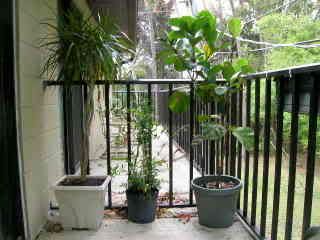
Palm rescued from unoccupied next door porch, Carolina Jessamine, fiddle leaf fig (which has recently been cut in hopes of making a bushier plant instead of a very tall stick with some leaves at the top).
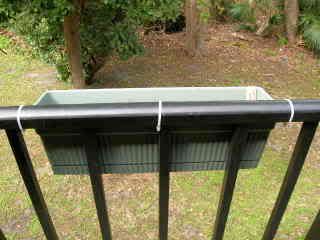
Real flower boxes are very expensive, so we got these and some zip ties and made our own. I planted Morning Glory seeds in this one.
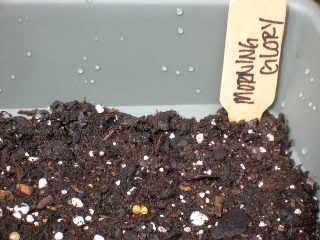
See?
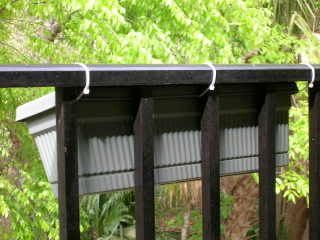
This one has Phlox.
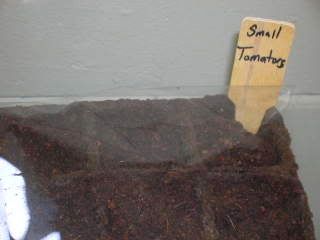
We're trying out these Burpee "eco friendly" starters. Kyle planted "Tasty Treat" tomatoes in this one...
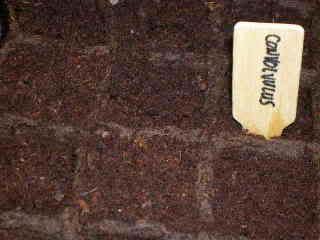
and I planted Convolvulus (I...think) in this one.
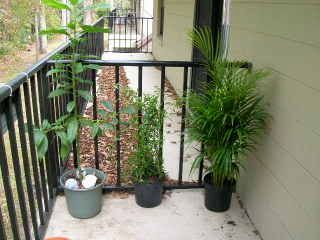
My darling avocado, another Carolina jessamine, and our little Areca palm (I'm sure that's not how it's spelled. Whatever)!
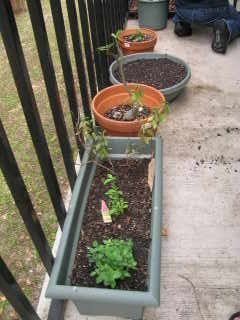
Oregano, tarragon, thai basil (I think the only remaining small plant survivor of the summer flood), pitiful desert rose, pot 'o lavender seeds, weed that Kyle insists is something that we planted but has no idea what it is. And Kyle's butt.
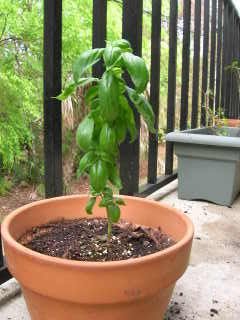
When Mom came to visit a while ago, she brought us a couple grocery store Basil plants. Grocery store herbs are the weakest little things but this one has done surprisingly well! Keep on truckin', little Basil plant!
Ok, so there's our new garden. We're hoping the jessamine will sort of climb onto the railing and make a kind of cover but we probably won't be living here long enough for that to happen. Oh, well, still pretty.
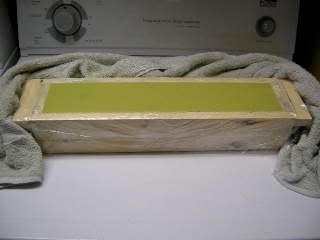
Kyle's dad made me a five pound soap mold which I used....last weekend? Two weeks ago? I'm not sure but I made lavender spearmint soap in it. It's awesome!
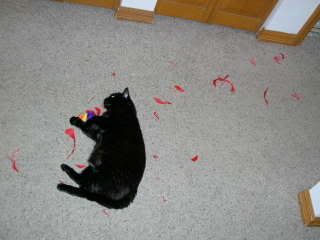
Also, a couple weeks ago, Kyle brought home a toy for Momo. It's a catnip seagull (?) with all of these red maribou feathers attached. She basically lost her freaking mind for this thing:

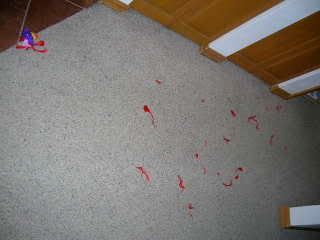
The aftermath.
Ok, that's all. Happy weekend, everybody!
Anyway, here's this season's porch garden on day 1:
Palm rescued from unoccupied next door porch, Carolina Jessamine, fiddle leaf fig (which has recently been cut in hopes of making a bushier plant instead of a very tall stick with some leaves at the top).
Real flower boxes are very expensive, so we got these and some zip ties and made our own. I planted Morning Glory seeds in this one.
See?
This one has Phlox.
We're trying out these Burpee "eco friendly" starters. Kyle planted "Tasty Treat" tomatoes in this one...
and I planted Convolvulus (I...think) in this one.
My darling avocado, another Carolina jessamine, and our little Areca palm (I'm sure that's not how it's spelled. Whatever)!
Oregano, tarragon, thai basil (I think the only remaining small plant survivor of the summer flood), pitiful desert rose, pot 'o lavender seeds, weed that Kyle insists is something that we planted but has no idea what it is. And Kyle's butt.
When Mom came to visit a while ago, she brought us a couple grocery store Basil plants. Grocery store herbs are the weakest little things but this one has done surprisingly well! Keep on truckin', little Basil plant!
Ok, so there's our new garden. We're hoping the jessamine will sort of climb onto the railing and make a kind of cover but we probably won't be living here long enough for that to happen. Oh, well, still pretty.
Kyle's dad made me a five pound soap mold which I used....last weekend? Two weeks ago? I'm not sure but I made lavender spearmint soap in it. It's awesome!
Also, a couple weeks ago, Kyle brought home a toy for Momo. It's a catnip seagull (?) with all of these red maribou feathers attached. She basically lost her freaking mind for this thing:
The aftermath.
Ok, that's all. Happy weekend, everybody!
Tuesday, February 24, 2009
Orff!
I remember a while back there was a Gatorade commercial that used O Fortuna from Carmina Burana by Carl Orff. I didn't like it. For some reason, I thought it was inappropriate but I didn't know why.
I found out today why! SKM posted on Shakesville about having seen a performance of Carmina Burana and gave a translation of the lyrics to O Fortuna:
The point of the commercial is ENTIRELY the opposite of the point of the song. I'm going to go ahead and call this irony. Kyle will probably say I'm wrong. He tells me often what is not irony but when I ask him what is irony, he says, "A fire extinguisher factory burns to the ground." That's the only example he has ever given me. I am unsatisfied with this.
I found out today why! SKM posted on Shakesville about having seen a performance of Carmina Burana and gave a translation of the lyrics to O Fortuna:
25. O Fortuna (O Fortune)
O Fortuna, ----- O Fortune,
velut luna ----- like the moon
statu variabilis, ----- you are changeable,
semper crescis ----- ever waxing
aut decrescis; ----- and waning;
vita detestabilis ----- hateful life
nunc obdurat ----- first oppresses
et tunc curat ----- and then soothes
ludo mentis aciem, ----- as fancy takes it;
egestatem, ----- poverty
potestatem ----- and power
dissolvit ut glaciem. ----- it melts them like ice.
Sors immanis ----- Fate - monstrous
et inanis, ----- and empty,
rota tu volubilis, ----- you whirling wheel,
status malus, ----- you are malevolent,
vana salus ----- well-being is in vain
semper dissolubilis, ----- and always fades to nothing,
obumbrata ----- shadowed
et velata ----- and veiled
michi quoque niteris; ----- you plague me too;
nunc per ludum ----- now through the game
dorsum nudum ----- I bring my bare back
fero tui sceleris. ----- to your villainy.
Sors salutis ----- Fate is against me
et virtutis ----- in health
michi nunc contraria, ----- and virtue,
est affectus ----- driven on
et defectus ----- and weighted down,
semper in angaria. ----- always enslaved.
Hac in hora ----- So at this hour
sine mora ----- without delay
corde pulsum tangite; ----- pluck the vibrating strings;
quod per sortem ----- since Fate
sternit fortem, ----- strikes down the strong man,
mecum omnes plangite! ----- everybody weep with me!
The point of the commercial is ENTIRELY the opposite of the point of the song. I'm going to go ahead and call this irony. Kyle will probably say I'm wrong. He tells me often what is not irony but when I ask him what is irony, he says, "A fire extinguisher factory burns to the ground." That's the only example he has ever given me. I am unsatisfied with this.
Sunday, February 22, 2009
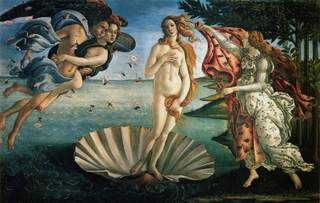
Botticelli - Birth of Venus
Artist's Name: Sandro Botticelli
Piece Name: Birth of Venus
Date: ca. 1400
Period: Italian Renaissance
Material: Tempera on canvass
Purpose: Commission work for Medici family
Inspired by a popular poem of the time, Botticelli created probably his most famous work for the Medici family. Botticelli depicts Venus after her birth from the sea foam being carried to Cyprus on a cockle shell. Zephyrus is shown as a beautiful couple propelling the shell using their breath. The nymph Pomona awaits Venus on the shore with a brocaded mantle. The garments undulate in the gentle gusts and flowers fall from the sky to the rippling water below. This was one of the first representations of a female nude to occur during the Renaissance, as Medieval sensibilities banned such depictions. But the attitudes of the Renaissance were more accommodating and the protection afforded Botticelli by his association with the Medici gave him confidence to create the piece. While his style seems to have ignored the scientific knowledge his contemporaries had gained, particularly in the areas of anatomy and perspective, Botticelli painted his figures with an elegance and delicateness not commonly seen, particularly in the detail of the hands and feet of the figures.
(Click for larger view)
Piece Name: Birth of Venus
Date: ca. 1400
Period: Italian Renaissance
Material: Tempera on canvass
Purpose: Commission work for Medici family
Inspired by a popular poem of the time, Botticelli created probably his most famous work for the Medici family. Botticelli depicts Venus after her birth from the sea foam being carried to Cyprus on a cockle shell. Zephyrus is shown as a beautiful couple propelling the shell using their breath. The nymph Pomona awaits Venus on the shore with a brocaded mantle. The garments undulate in the gentle gusts and flowers fall from the sky to the rippling water below. This was one of the first representations of a female nude to occur during the Renaissance, as Medieval sensibilities banned such depictions. But the attitudes of the Renaissance were more accommodating and the protection afforded Botticelli by his association with the Medici gave him confidence to create the piece. While his style seems to have ignored the scientific knowledge his contemporaries had gained, particularly in the areas of anatomy and perspective, Botticelli painted his figures with an elegance and delicateness not commonly seen, particularly in the detail of the hands and feet of the figures.

(Click for larger view)
Masaccio - Tribute Money
Artist's Name: Masaccio
Piece Name: Tribute Money
Date: ca. 1400
Period: Italian Renaissance
Material: Fresco
Purpose: Brancacci Chapel fresco
Masaccio depicted a rarely used story from the Gospel of Matthew as the subject of this fresco. As Christ tries to enter the Roman town of Capernaum, he is stopped by the tax collector and ordered to pay tribute before he is permitted to enter. Christ sends Saint Peter to the shore of Lake Galilee where Saint Peter will find a fish with the tribute money in its mouth. This narrative is shown in three parts of the same panel. To the left of the piece, Saint Peter is seen on the lake shore pulling the fish from the water. In the center, Christ and the disciples are shown being stopped by the tax collector. To the right of the scene, Peter hands the tribute money to the tax collector who stands in front of the gate into the town.
The figures are painted as lit by a light source outside the frame. The light is angled and the angle remains constant throughout the piece. This allows much greater depth in the piece, as does the placement of the figures in a spacious landscape, rather than in the confined stage space of earlier frescoes. The architecture is depicted in one-point perspective, with the lines converging onto Christ's head.
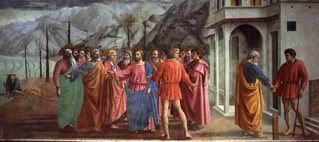
(Click for larger view)
Piece Name: Tribute Money
Date: ca. 1400
Period: Italian Renaissance
Material: Fresco
Purpose: Brancacci Chapel fresco
Masaccio depicted a rarely used story from the Gospel of Matthew as the subject of this fresco. As Christ tries to enter the Roman town of Capernaum, he is stopped by the tax collector and ordered to pay tribute before he is permitted to enter. Christ sends Saint Peter to the shore of Lake Galilee where Saint Peter will find a fish with the tribute money in its mouth. This narrative is shown in three parts of the same panel. To the left of the piece, Saint Peter is seen on the lake shore pulling the fish from the water. In the center, Christ and the disciples are shown being stopped by the tax collector. To the right of the scene, Peter hands the tribute money to the tax collector who stands in front of the gate into the town.
The figures are painted as lit by a light source outside the frame. The light is angled and the angle remains constant throughout the piece. This allows much greater depth in the piece, as does the placement of the figures in a spacious landscape, rather than in the confined stage space of earlier frescoes. The architecture is depicted in one-point perspective, with the lines converging onto Christ's head.
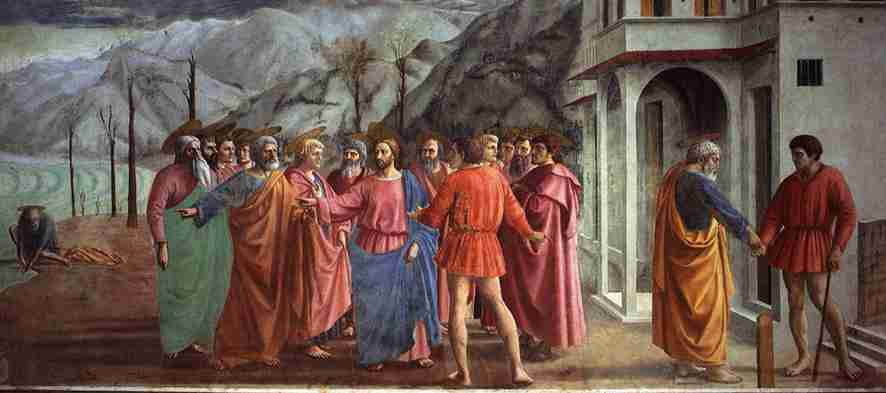
(Click for larger view)
Ghiberti - Bronze Doors
Artist's Name: Lorenzo Ghiberti
Piece Name: bronze doors
Date: ca. 1450
Period: Italian Renaissance
Material: Bronze
Purpose: Baptistery doors, Florence Cathedral
After beating Brunelleschi in a competition for the commission, Ghiberti began the bronze doors for the Florence Cathedral baptistery in 1425. Ghiberti was greatly influenced by Greco-Roman statuary and he was trained in both painting and gold-working. His pieces incorporate spatial illusion and cohesive narrative into a stylistically and technically impressive set of 10 panels depicting scenes from the Old Testament. Ghiberti's appreciation for the human figure and interest in the working of the muscular and skeletal systems are apparent in his forms.
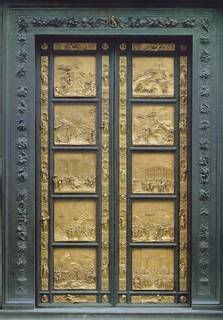
(Click for larger view)
Piece Name: bronze doors
Date: ca. 1450
Period: Italian Renaissance
Material: Bronze
Purpose: Baptistery doors, Florence Cathedral
After beating Brunelleschi in a competition for the commission, Ghiberti began the bronze doors for the Florence Cathedral baptistery in 1425. Ghiberti was greatly influenced by Greco-Roman statuary and he was trained in both painting and gold-working. His pieces incorporate spatial illusion and cohesive narrative into a stylistically and technically impressive set of 10 panels depicting scenes from the Old Testament. Ghiberti's appreciation for the human figure and interest in the working of the muscular and skeletal systems are apparent in his forms.

(Click for larger view)
Limbourg Brothers - The Book of Hours
Artist's Name: Limbourg Brothers
Piece Name: The Book of Hours
Date: ca. 1400
Period: Northern Renaissance
Material: Ink on vellum
Purpose: Illuminated Manuscript
A Book of Hours was used for reciting prayers and contained liturgical passages intended for private study. It also gathered together a calendar of local religious holidays, penitential psalms, litanies to the saints and devotional prayers. The calendar pages of the Limbourg Book of Hours (fully titled The Very Sumptuous Hours of the Duke of Berry) are some of the most famous in the history of manuscript illumination. Alternating scenes of nobility with scenes of peasant life, the pictures are vividly colored (blue pigment was rare and very expensive at the time) and richly detailed. Above each scene is a lunette depicting the sun as a chariot traveling through the 12 months and zodiac signs. The inclusion of the Duke of Berry, who commissioned the piece, among the figures in some of the scenes showed him as a pious, powerful and magnanimous leader, as well as a sophisticated art patron.


(Click each for larger view)
Piece Name: The Book of Hours
Date: ca. 1400
Period: Northern Renaissance
Material: Ink on vellum
Purpose: Illuminated Manuscript
A Book of Hours was used for reciting prayers and contained liturgical passages intended for private study. It also gathered together a calendar of local religious holidays, penitential psalms, litanies to the saints and devotional prayers. The calendar pages of the Limbourg Book of Hours (fully titled The Very Sumptuous Hours of the Duke of Berry) are some of the most famous in the history of manuscript illumination. Alternating scenes of nobility with scenes of peasant life, the pictures are vividly colored (blue pigment was rare and very expensive at the time) and richly detailed. Above each scene is a lunette depicting the sun as a chariot traveling through the 12 months and zodiac signs. The inclusion of the Duke of Berry, who commissioned the piece, among the figures in some of the scenes showed him as a pious, powerful and magnanimous leader, as well as a sophisticated art patron.

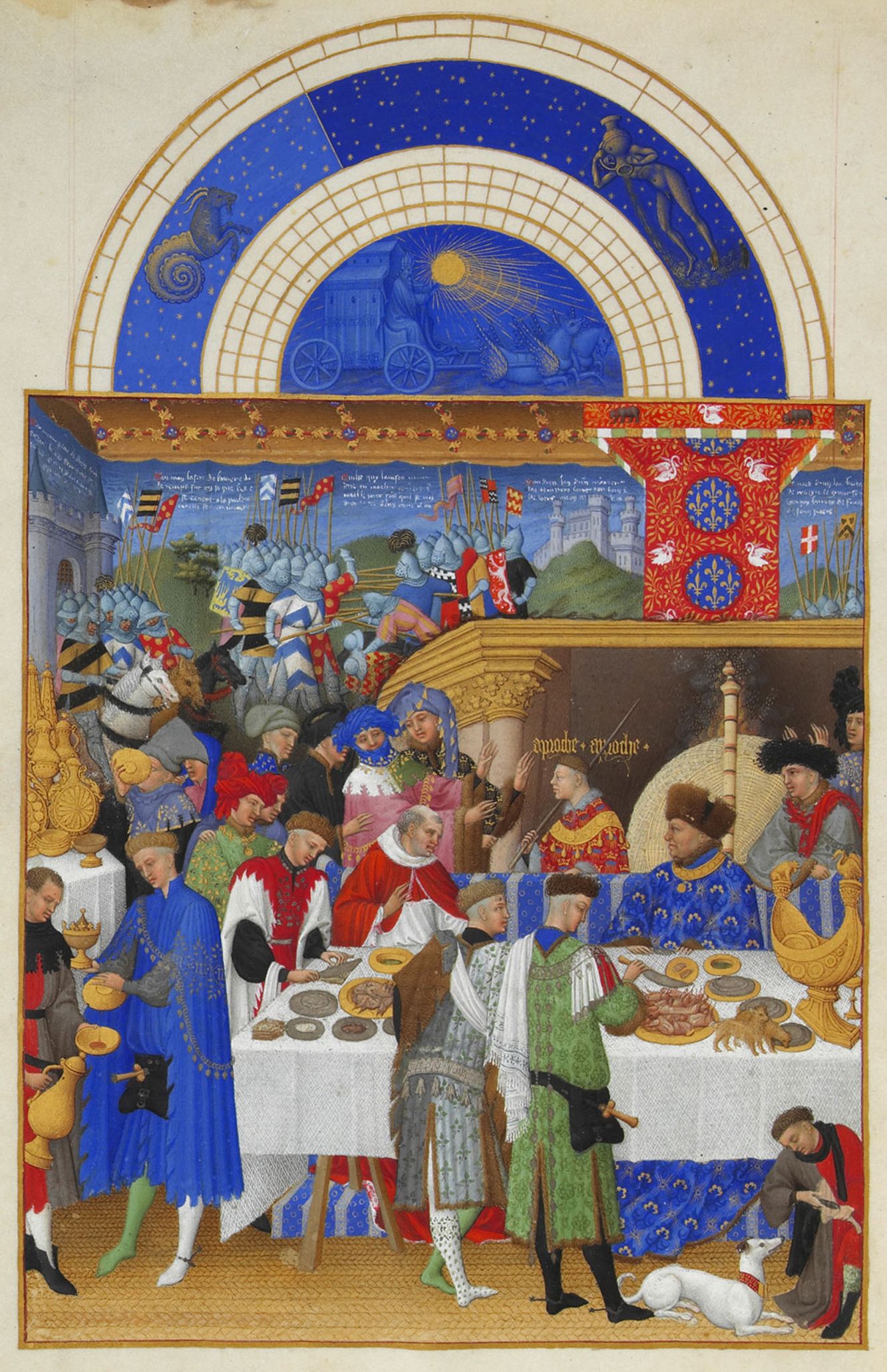

(Click each for larger view)
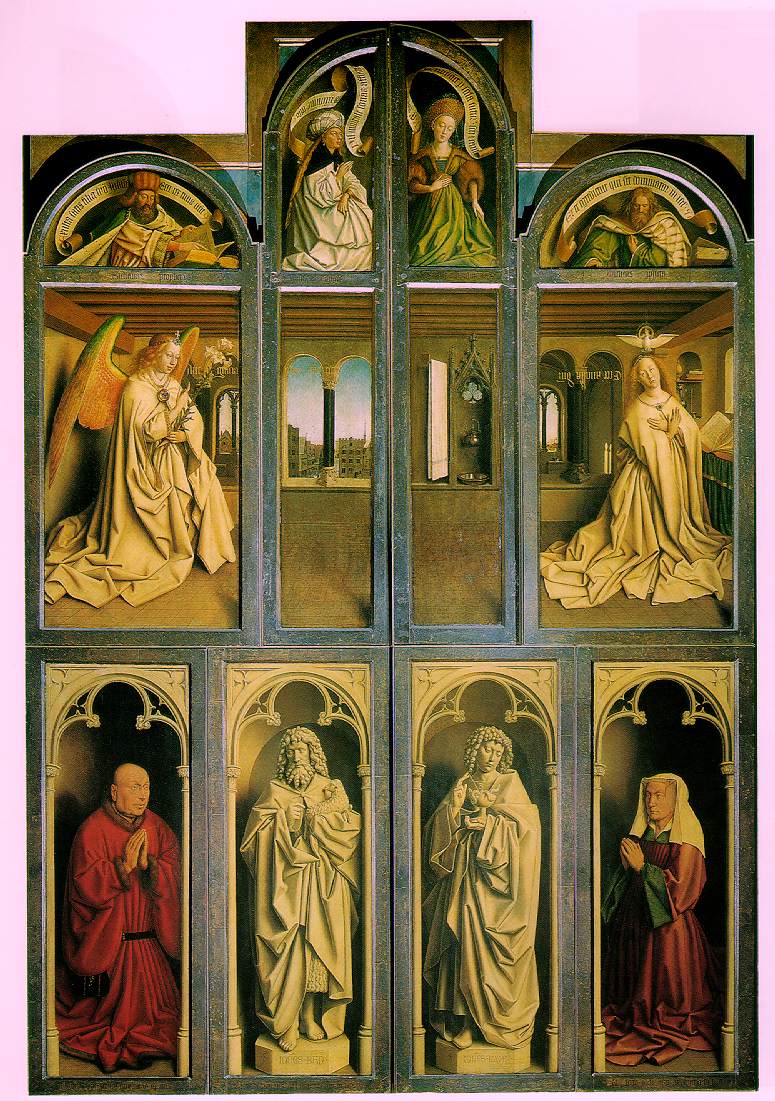
Van Eyck - Ghent Altarpiece (closed)
Artist's Name: Jan van Eyck
Piece Name: Ghent Altarpiece (closed)
Date: ca. 1400
Period: Northern Renaissance
Material: Oil on wood
Purpose: Liturgical centerpiece, Saint Bavo Cathedral
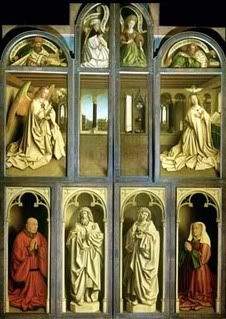
Jan van Eyck's Ghent Altarpiece is one of the largest and most renowned Flemish altarpieces of the 15th century. The piece was commissioned by the burgomeister (chief magistrate) of Ghent, Jodocus Vyd, and he and his wife, Isabel Borluut, can be seen in the lower left and right hand panels. Between them are intricately detailed painted statues of Saints John the Baptist and John the Evangelist, Ghent's patron saints. In the upper register of the piece is an Annunciation scene which uses many of the symbols common to Christian tradition and also boasts a careful rendition of a Flemish town. In the arched portions of the panels appear Old Testament prophets Zachary and Micah and two sibyls, classical mythological prophetesses whose writings the Christian Church interpreted as prophecies of Christ.
(Click to view larger)
Piece Name: Ghent Altarpiece (closed)
Date: ca. 1400
Period: Northern Renaissance
Material: Oil on wood
Purpose: Liturgical centerpiece, Saint Bavo Cathedral
Jan van Eyck's Ghent Altarpiece is one of the largest and most renowned Flemish altarpieces of the 15th century. The piece was commissioned by the burgomeister (chief magistrate) of Ghent, Jodocus Vyd, and he and his wife, Isabel Borluut, can be seen in the lower left and right hand panels. Between them are intricately detailed painted statues of Saints John the Baptist and John the Evangelist, Ghent's patron saints. In the upper register of the piece is an Annunciation scene which uses many of the symbols common to Christian tradition and also boasts a careful rendition of a Flemish town. In the arched portions of the panels appear Old Testament prophets Zachary and Micah and two sibyls, classical mythological prophetesses whose writings the Christian Church interpreted as prophecies of Christ.
(Click to view larger)
Giotto - Madonna Enthroned
Artist's Name: Giotto di Bondone
Piece Name: Madonna Enthroned
Date: ca. 1300
Period: Early Renaissance
Material: Tempera on wood
Considered one of the forebears of High Renaissance painting, Giotto's depiction of the Virgin and Child stands as an excellent example of the changes occurring in art at the time. While Giotto still uses many of the obvious symbols of Medieval painting (the main figures are overly large and central, the opaque plate-like halos, the two fingered gesture of the Christ Child), there is a human quality and depth not found in works of the middle ages. The Virgin is draped in thin, delicate material and there is definite assertion to the shape of her body. Greater attention is paid to the detail of her face and the shading around her chin and throat. There are even faint blue lines visible on the back of her hand. Part of the movement of Naturalism was attempting depth through use of linear perspective. While the perspective of the throne is not correct, the intention is clear.

(Click for larger view)
Piece Name: Madonna Enthroned
Date: ca. 1300
Period: Early Renaissance
Material: Tempera on wood
Considered one of the forebears of High Renaissance painting, Giotto's depiction of the Virgin and Child stands as an excellent example of the changes occurring in art at the time. While Giotto still uses many of the obvious symbols of Medieval painting (the main figures are overly large and central, the opaque plate-like halos, the two fingered gesture of the Christ Child), there is a human quality and depth not found in works of the middle ages. The Virgin is draped in thin, delicate material and there is definite assertion to the shape of her body. Greater attention is paid to the detail of her face and the shading around her chin and throat. There are even faint blue lines visible on the back of her hand. Part of the movement of Naturalism was attempting depth through use of linear perspective. While the perspective of the throne is not correct, the intention is clear.

(Click for larger view)
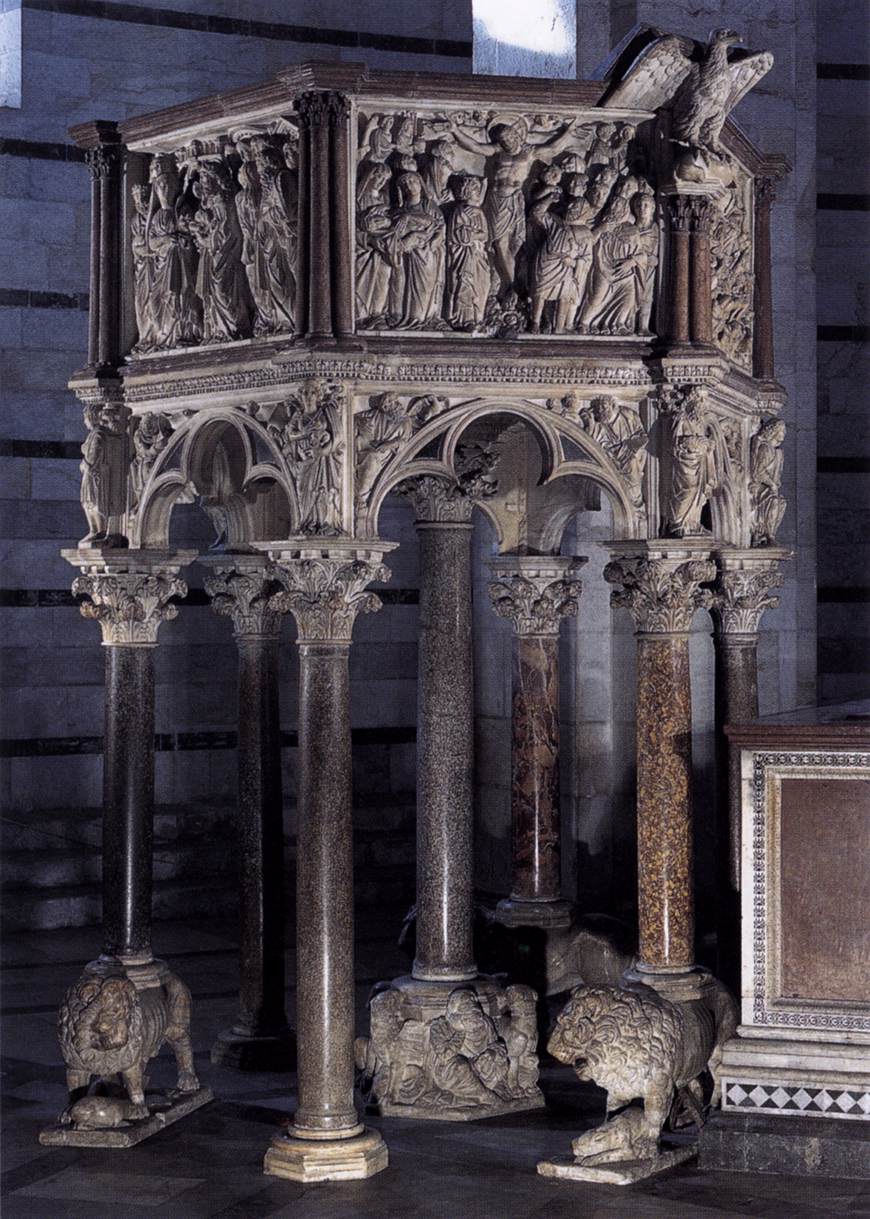
Pisano - Pulpit
Artist's Name: Nicola Pisano
Piece Name: Pulpit of Pisa Cathedral baptistery
Date: 1260
Period: Early Renaissance
Material: Marble
Purpose: For use during sermons, Pisa Cathedral
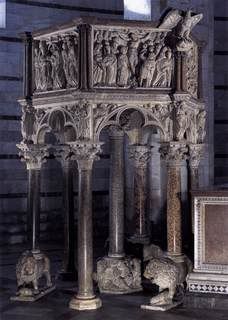
The pulpit commissioned for the Pisa Cathedral baptistery is impressive for its meshing of styles and influences, specifically French Gothic and Roman Classical. The 13th-century sculpture by Nicola Pisano shows an unmistakable interest in Classical art. The lower portion of the pulpit is made up of Roman-style Corinthian columns. On the center register rest the figures of Prophets and Evangelists separated by Gothic trefoil arches. In the spandrels of the arches are Saints John the Baptist and Michael, the Virtues, and a nude Hercules, probably a reference to the Classical inspiration for the work. The upper register consists of five relief panels depicting scenes from the life of Christ, all done in the style of Roman sculpture. The figures wear clothing typical of Roman fashions.
(Click for larger view)
Piece Name: Pulpit of Pisa Cathedral baptistery
Date: 1260
Period: Early Renaissance
Material: Marble
Purpose: For use during sermons, Pisa Cathedral
The pulpit commissioned for the Pisa Cathedral baptistery is impressive for its meshing of styles and influences, specifically French Gothic and Roman Classical. The 13th-century sculpture by Nicola Pisano shows an unmistakable interest in Classical art. The lower portion of the pulpit is made up of Roman-style Corinthian columns. On the center register rest the figures of Prophets and Evangelists separated by Gothic trefoil arches. In the spandrels of the arches are Saints John the Baptist and Michael, the Virtues, and a nude Hercules, probably a reference to the Classical inspiration for the work. The upper register consists of five relief panels depicting scenes from the life of Christ, all done in the style of Roman sculpture. The figures wear clothing typical of Roman fashions.
(Click for larger view)
Monday, February 16, 2009
"I love Jesus but I drink a little..."
This clip from the Ellen DeGeneres show is several days old but I just found it and it's just too good not to share:
Thursday, February 12, 2009
Complaint Box
Because I just don't have the heart to complain to bloggers on their sites, I'm going to gripe here.
If you're going to post recipes for ANYTHING, please go through and make sure it makes sense and is accurate. Please don't leave things like "1 1/2 yogurt" in the ingredients list. 1 1/2 what? I'll assume cups. Please don't omit items from the ingredients list and then add them to the instructions. For example, if you do not list salt and baking soda in the ingredients, don't tell me to sift them into the flour. How much? Oh, and don't put things in the ingredients list and then not tell me where to put them into the mix in the instructions.
Ok, well, none of that probably made any sense but I'm frustrated. It's my turn to bring snackies to Fiction Writing tonight. I'm making mini muffins. We'll see how it goes.
If you're going to post recipes for ANYTHING, please go through and make sure it makes sense and is accurate. Please don't leave things like "1 1/2 yogurt" in the ingredients list. 1 1/2 what? I'll assume cups. Please don't omit items from the ingredients list and then add them to the instructions. For example, if you do not list salt and baking soda in the ingredients, don't tell me to sift them into the flour. How much? Oh, and don't put things in the ingredients list and then not tell me where to put them into the mix in the instructions.
Ok, well, none of that probably made any sense but I'm frustrated. It's my turn to bring snackies to Fiction Writing tonight. I'm making mini muffins. We'll see how it goes.
Monday, February 9, 2009
OMG(sea)P0NIES!!1!
I adore seahorses. Really. One of my life goals is to have a saltwater tank some day just so I can have a couple seahorses (also possibly an absurdly cool leafy sea dragon). Anyway, the point. NatGeo had an article on the finding of 5 new species of pygmy seahorse.
I mean, look!

Less than half an inch tall, people! TEENSY and adorable! I LOVE HEEEEEEEEEEEEEEM!!!
Ok, that's all I got.
I mean, look!
Less than half an inch tall, people! TEENSY and adorable! I LOVE HEEEEEEEEEEEEEEM!!!
Ok, that's all I got.
Subscribe to:
Posts (Atom)